Unblocking a sink drain: a complete guide and effective solutions
Is your sink draining slowly or is the water completely stagnant? One clogged drain Is one of the most common plumbing problems more frequent in Quebec homes. Between food residues, accumulated fat and small objects that get lost, your pipes are under a lot of pressure on a daily basis.
This guide shows you how unclog a sink drain with simple do-it-yourself methods, when to call a professional, and how to prevent the problem from coming back. No technical jargon — just clear and practical solutions.
Key points to remember
• Most sink blockages are caused by fat, The Hair And the soap accumulations
• You can often unclog a drain without chemicals with simple tools like a suction cup or a bicarbonate and vinegar mixture
• Chemical cleaners may damage your pipes in the long term and do not solve deep traffic jams
• One professional unblocking is recommended if the water still does not drain after your attempts or if the problem recurs frequently
• Prevention remains the best strategy: avoid pouring fat down the sink and use a drain filter
What is really blocking your sink drain?
One clogged drain does not form overnight. Residues build up gradually until a complete blockage is created.
Fat and oil : Even when liquid when hot, they solidify as they cool and stick to pipe walls. Over time, this layer thickens and holds other debris.
The hair : It's the number one culprit in bathroom sinks. The hair intertwines and forms a compact mass that holds everything else together.
Soap and toothpaste : These products leave sticky residues on pipe walls. Over time, this layer thickens and attracts more debris.
Hard water minerals : Hard water contains calcium and magnesium that are deposited in pipes, gradually shrinking their diameter and promoting accumulations.
The fat that cools in pipes combines with detergents to create a phenomenon called saponification — a chemical reaction that forms hard plugs that are difficult to dissolve.
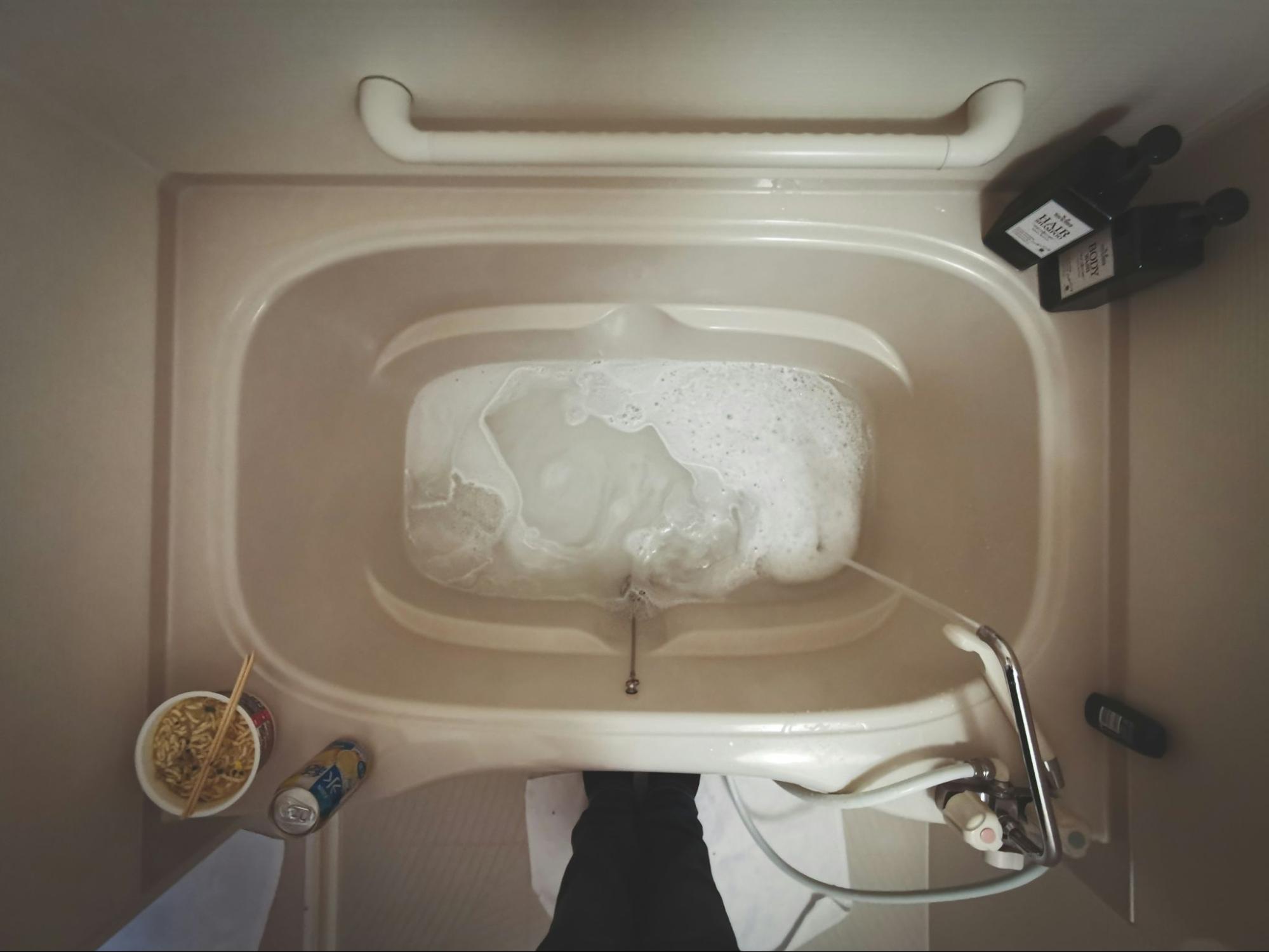
How to unclog a sink drain without chemicals
Commercial products promise quick results, but they often cause more harm than good to your pipes. Here are natural and effective methods for unclog a drain without chemicals.
The suction cup — your best ally
It is the simplest and often the most effective tool for mild to moderate traffic jams. Fill out theSink With a little bit of water, place the Suction pad directly on the drain To create a tight seal, pump vigorously for 15 to 20 seconds and then remove quickly. Suction should dislodge the plug. If the water drains freely, that's fine. If not, repeat 3 to 4 times.
The baking soda and vinegar mixture
This combination creates An effervescent reaction Who can dissolve light accumulations. Pour 1 cup of baking soda down the drain, immediately add 1 cup of white vinegar, Block the drain With a cork or a damp cloth, let it work for 30 minutes, then rinse thoroughly with boiling water. This method works better In prevention only in emergency unblocking.
The plumber's snake
For deeper or tough plugs, a mechanical snake can reach what the suction cup can't. Insert the snake into the drain by turning the crank, push gently until resistance is felt, turn to break or catch the cork, then remove Slowly.
When to call a professional plumber
Some situations exceed the capabilities of DIY and require the intervention of a certified plumber.
In Quebec, only entrepreneurs who are members of the Corporation of Master Piping Mechanics of Quebec (CMMTQ) can legally perform plumbing work. They have the necessary training, licenses, and insurance.
How to prevent future traffic jams
Prevention requires little effort but will save you a lot of frustration.
Install a drain filter : A simple metal or plastic filter captures food residues before they enter the pipes. Empty it after each use.
Never pour fat down the sink : Let cooking fats cool in a container that you throw in the trash.
Use hot water after each use : Run hot water for 30 seconds after washing dishes.
Monthly preventive cleaning : Once a month, pour boiling water into the sink drain, followed by the bicarbonate and vinegar mixture.

The main thing to remember
Unclog a sink drain is not always complicated if you act quickly. Natural methods like suction and bicarbonate vinegar work for mild traffic jams, while more serious situations require the intervention of a plumber certified. The best strategy is still prevention: use a filter, avoid fat, and do simple monthly maintenance.
Need help with a recalcitrant drain?
If, despite your efforts, your sink drain refuses to unclog, or if you notice that the problem comes up frequently, it's time to consult an expert. Our team Of plumbers certified can diagnose the exact cause of the blockage and advise you on appropriate preventive measures.
Contact us for a quick assessment.
Frequently asked questions
Get a free quote