Low water pressure: return to normal flow
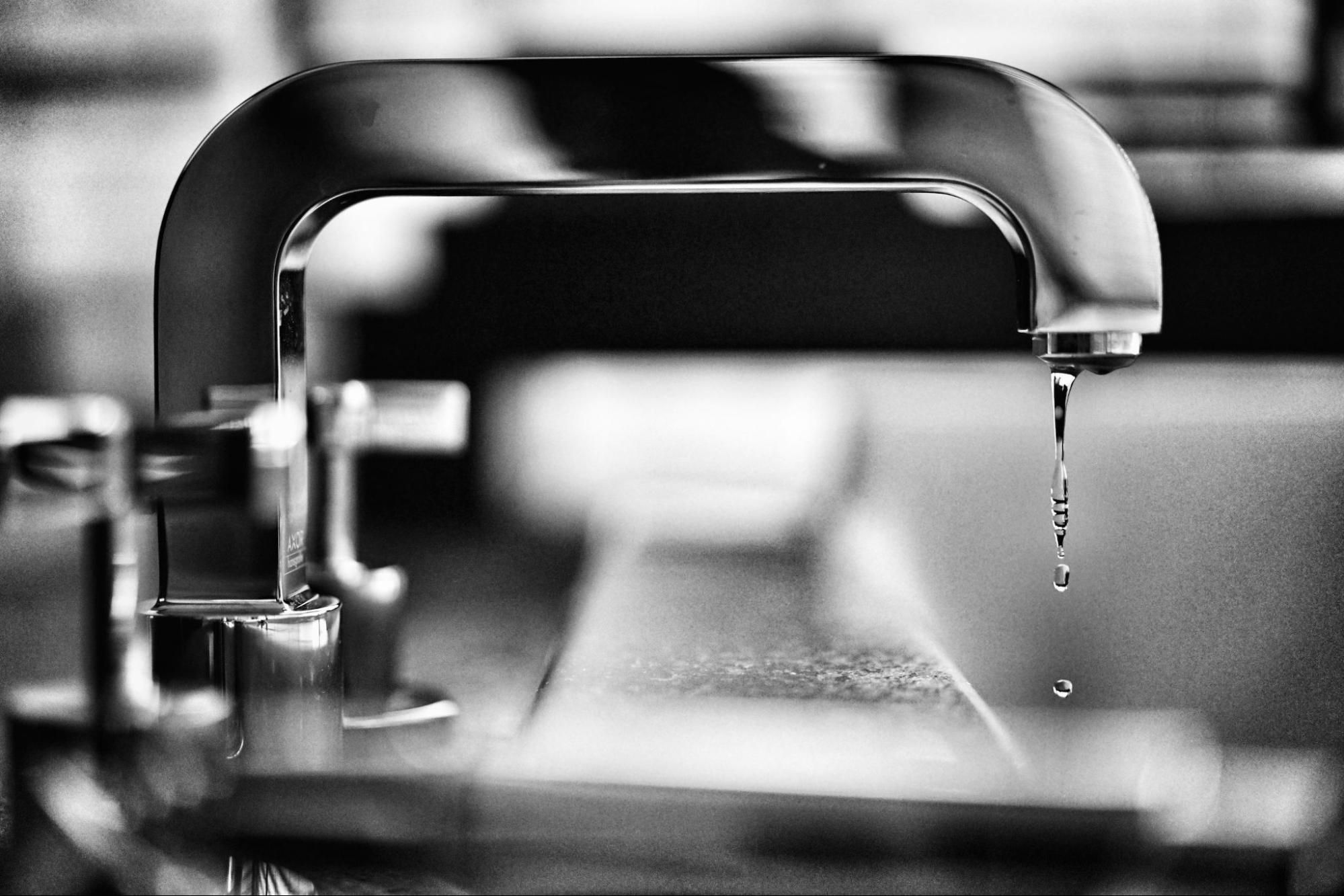
Does your shower look like a trickle of water? Does the kitchen faucet take forever to fill a pot? La low water pressure Turn daily actions into a test of patience.
This problem affects your comfort, lengthens your household chores and can hide more serious issues in your Plumbing. Fortunately, several causes are identifiable and solvable.
This article helps you understand where the low water pressure, when you can take action yourself, and when to call on a plumber. No technical jargon, only what you need to know to find a water pressure normal.
Key points to remember
• One low water pressure may affect a single faucet or the whole house depending on the cause
• Limestone and deposits in pipes Are the most frequent culprits in Quebec
• Some problems are easily resolved, others require the intervention of a professional plumber
• Check valves and aerators first before suspecting a major problem
• One water pressure Normal should be between 40 and 60 PSI in your home
What is low water pressure exactly?
La water pressure Measure how hard water comes out of your faucets. When this strength decreases, you immediately notice the difference in your daily life.
One normal pressure allows your shower to work properly, your dishwasher to clean effectively, and your toilet to fill up quickly after flushing.
One low pressure means that water flows slowly, without force. Filling a bathtub takes twice as long as normal. Your shower is becoming frustrating and uncomfortable.
According to the Régie du Bâtiment du Québec, the water pressure in a home should ideally be maintained between 40 and 60 PSI (pounds per square inch) to ensure optimal comfort.

The main causes of low water pressure
Problem localized to a single tap
If only one Faucet Has a low pressure, the problem is probably simple. The aerator (the small filter at the end of the faucet) is often clogged with lime or debris.
This small accessory can be easily removed by hand or with pliers. A quick cleaning under water is usually sufficient to restore the normal pressure.
The internal cartridges of the Faucet can also wear out over time. Mineral deposits accumulate and partially block the passage of water.
Problem all over the house
When the low pressure affects all your faucets simultaneously, the cause is more extensive. Vos pipes may be partially obstructed by the accumulation of limestone.
In Quebec, hard water is common. Minerals are gradually deposited on the inner walls of pipes, reducing their useful diameter year after year.
The inlet valve The main one could also be partially closed. Perhaps someone manipulated it during construction and did not completely reopen it.
Hidden leak in the system
One water leak Undetected causes the Pressure throughout the house. Water escapes somewhere before it reaches your faucets.
These leaks often hide in walls, under floors, or in the basement. You don't necessarily see them, but they directly affect your water pressure.
A water meter that runs even when all faucets are closed indicates a active leak somewhere in your Plumbing.
Problem with the pressure reducer
Several houses have a reducer of Pressure installed at the main water inlet. This device protects your Plumbing Of a Pressure Municipal too high.
Over time, this reducer can get out of control or get stuck. He then maintains the Pressure too low throughout the house, even if the Municipal pressure is correct.
A faulty gearbox generally requires a complete replacement by a certified plumber.

What are the signs that indicate a serious problem?
What to do depending on your situation
Immediate checks you can do
Start with check the main water inlet valve. It is usually found near the water meter or where the municipal pipe enters your home.
Make sure it is fully open by turning it counterclockwise all the way. A partially closed valve is a common and easily correctable cause.
Then test each faucet individually. If only one has a low pressure, unscrew its aerator, clean it under water, and screw it back on. This simple action solves 70% of localized problems.
Check your water meter. Turn off all faucets and see if the meter continues to run. A movement indicates a Leak Activate who steals your Pressure.
When professional intervention becomes necessary
If the low pressure persists after your checks, the problem goes beyond simple tinkering. One professional plumber has the tools to diagnose accurately.
It can measure the Pressure at various points in your system, identify hidden obstructions, and locate invisible leaks with inspection cameras.
The Descaling Of pipes requires specialized equipment. A professional can clean your pipes thoroughly without damaging them.
If you pipes are very old (50 years and over) or galvanized, a partial or complete replacement could prove to be the sustainable solution.

Preventing water pressure problems
Simple regular maintenance
Clean your air vents faucets every 6 months. This habit takes 5 minutes per tap and prevents the gradual accumulation of deposits.
If your water is particularly hard (white marks on the faucets), consider a filtration system or a water softener to protect all of your Plumbing.
Have your water pressure annually during preventive maintenance. One plumber can detect gradual declines before they become problems
Monitoring for early signs
Note any changes in your water pressure, even a minor. A gradual decrease over several months often indicates an accumulation of limestone that is getting worse.
Watch for moisture stains on walls, ceilings, or floors. They reveal Leaks that affect your Pressure and cause costly damage.
If you live in a house built before 1960, schedule a complete inspection of your pipework. Old materials deteriorate and gradually reduce the Pressure.
Recover your daily comfort
La low water pressure is not a fatality to be endured. In many cases, the solution is easier than you think.
Start with the basic checks: valves, aerators, and meter observation. These quick actions often solve the problem without professional intervention.
For more complex causes such as accumulated limestone or pipes aging, a certified plumber has the tools and expertise to restore a normal pressure.
The important thing is to act quickly. One low pressure Untreated often indicates a problem that is getting worse, and repairs become more expensive over time.
Your water pressure remains weak despite your checks? Our team can accurately diagnose the cause and offer you the solution adapted to your situation. We explain clearly what is happening in your Plumbing and the options available, without technical jargon.
Contact us for a professional diagnosis and find a water pressure comfy.
FAQ
Get a free quote