How to protect your plumbing from freezing in winter in Quebec
Every winter in Quebec, thousands of homeowners are left with frozen pipes. The result? Faucets that no longer flow, cold showers, and sometimes major water damage.
The good news is that this problem can be easily prevented with a few simple actions. This article explains what to do to protect your plumbing before and during the cold season and extreme cold, without technical jargon.
What to remember
- A pipe can freeze as soon as the temperature drops below -7°C
- Risk areas: exterior walls, garage, crawl space and attic
- Acting quickly prevents cracks and costly water damage
- A service of 24/7 emergency can intervene if the situation escalates
- Prevention is still the best protection against frost
Why do pipes freeze in winter?
Water that stagnates in your pipes turns into ice when the temperature drops. As it freezes, it increases in volume and exerts pressure on the walls of the pipe. The most vulnerable pipes are those located in unheated or poorly insulated areas.

Signs that indicate a problem
The first sign of a frozen pipe is often reduced or no water flow at a faucet. You may also notice visible condensation or frost on an exposed pipe or hear an unusual noise in the walls when you turn on the water.
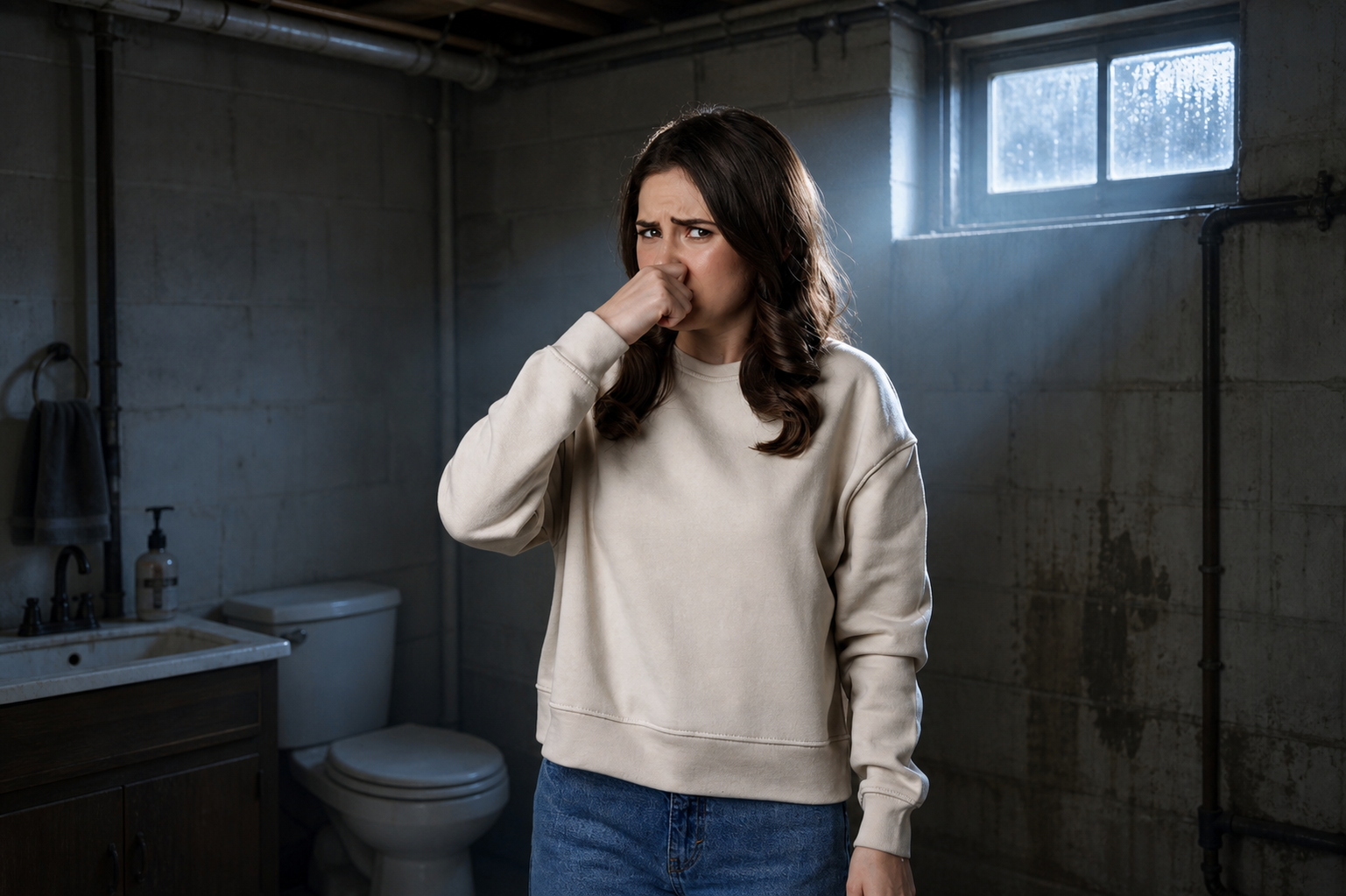
A sewer odor coming from a drain can also signal a blockage caused by frost. If you see any of these signs during a cold snap, act quickly.
Frozen pipes what to do: the immediate steps
Important : Never use an open flame to unfreeze a pipe. Choose a hair dryer, a heat lamp or towels soaked in hot water.
Tips to insulate pipes effectively against frost
La Prevention remains the best approach. Before the cold weather arrives, install insulation sleeves on exposed pipes and seal cracks in walls and foundations near pipes. These materials are available in any hardware store.
On very cold nights (-15°C and below), let a trickle of water flow and open the cabinet doors under the sinks located against an exterior wall. Always maintain the heating to at least 10°C, even if you are away for a long time.
According to the City of Montreal, it is also essential to Turn off the outside faucets and to drain the garden hoses before the first frost.

Mistakes to avoid
- Wait that the problem can be solved by itself — a frozen pipe can burst in a few hours
- Use a blow torch to speed up the thaw — risk of fire and damage
- Neglecting unheated areas — this is often where frost hits first
- Turn off the heat completely during a winter absence
When to call a plumber
The intervention of a qualified plumber is required when the pipe is inaccessible, for example in a wall or under the slab. This is also the case if you notice a leak or crack, if several areas of the house are affected simultaneously, or if you cannot locate the blockage.
A service of 24/7 emergency can avoid major damage, especially at night or during the weekends.
Winter best practices
To spend the winter in peace, Have your plumbing inspected in the fall. Locate the location of your main stop valve in order to be able to shut off the water quickly in the event of a leak. Also, keep a reliable plumber's number handy.
The Régie du Bâtiment du Québec recommends that plumbing work be carried out by contractors with a valid license.

Protect your home before the next freeze
One frozen pipe is not inevitable. With a few simple precautions, you can protect your plumbing and avoid unpleasant surprises. And if the problem occurs anyway, now you know What to do to limit the damage.
Do you have doubts about the condition of your plumbing or need a quick intervention? Our team is available to assess your situation and advise you on the next steps.
Contact us for a free quote.
FAQ
Get a free quote