Check valve: What every homeowner needs to know
You've heard about the check valve, but you're not sure what it's for? You are not alone. This small device in your pipes nevertheless protects your home in a concrete way — especially in Quebec, where heavy rains and snowmelt can quickly put a strain on the sewers.
This article explains what a check valve is, why it matters, and what you need to check as a homeowner. No jargon, just the essentials.
Key points to remember
- The check valve Prevents municipal sewer wastewater from rising in your house
- He is mandatory in Quebec according to the Construction Code, Chapter III — Plumbing
- He mainly protects the basement and appliances located below street level
- One maintenance once a year enough to make sure it works well
- If you are not sure if it is installed or in good condition, A plumber can check it quickly
What is a check valve used for in concrete terms?
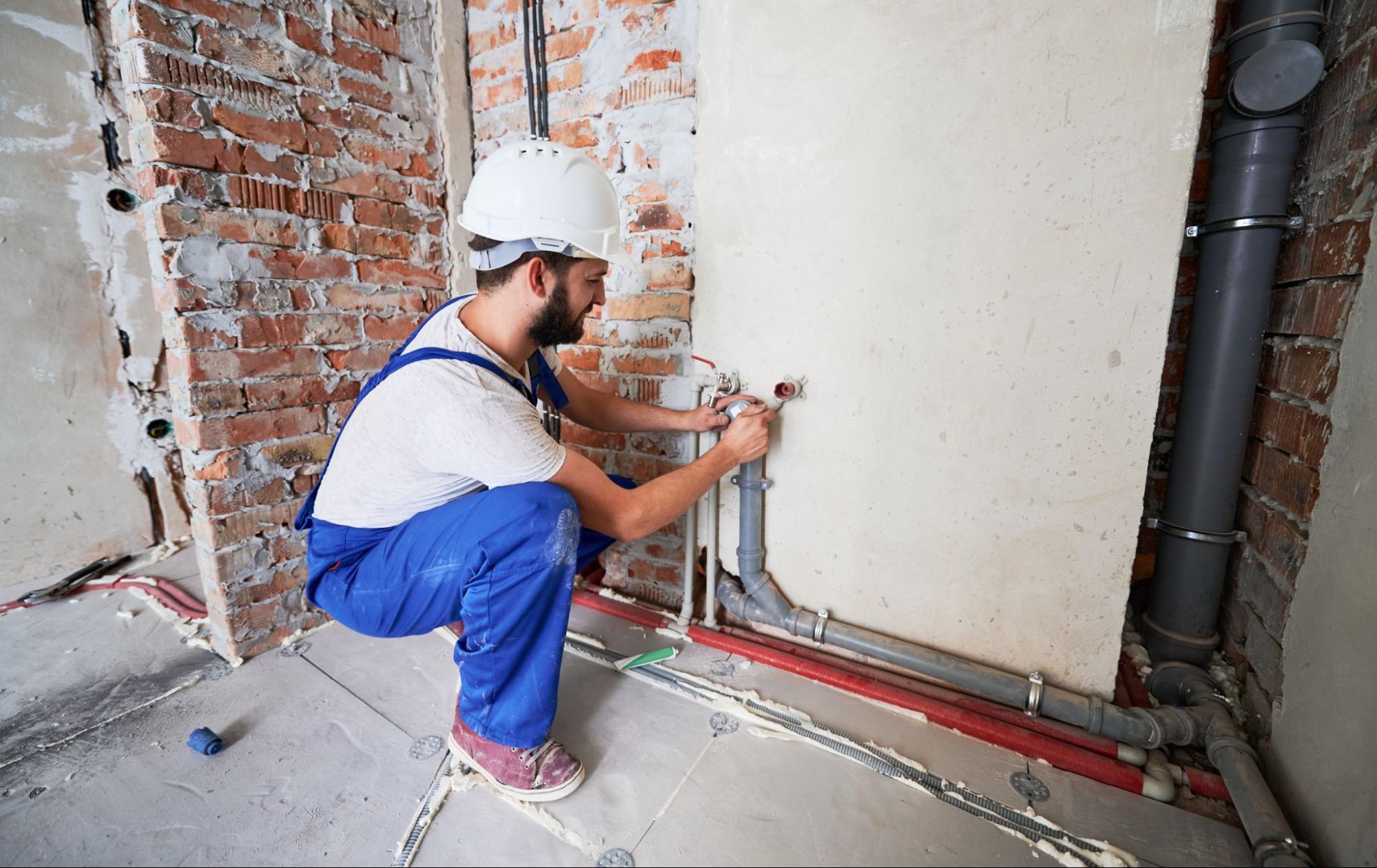
The check valve, also called backflow preventer, is installed on the main drain line of your home. Its role: allow water to pass in only one direction, from your home to the municipal network. As soon as the water tries to return in the other direction, the valve closes by itself.
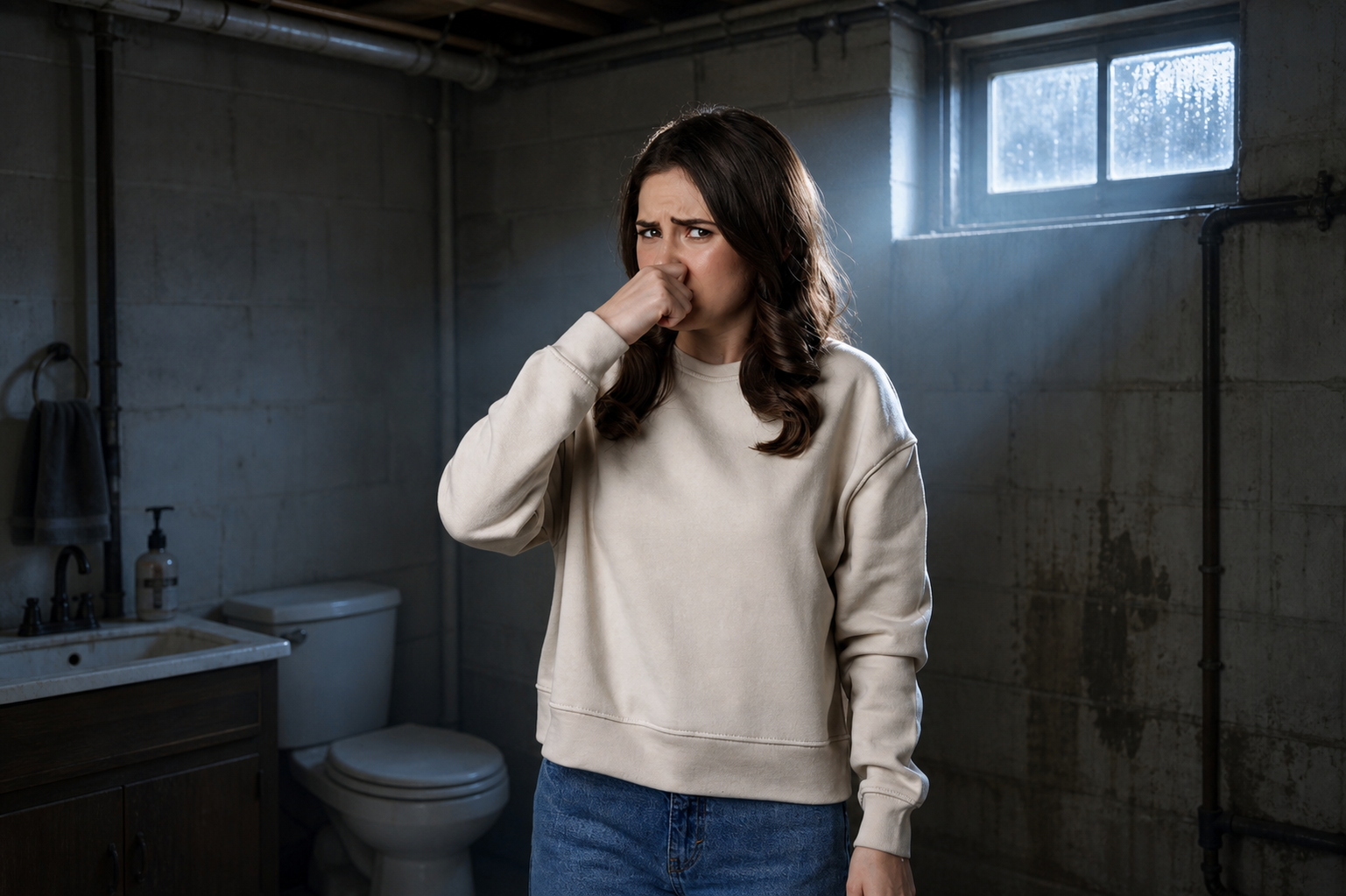
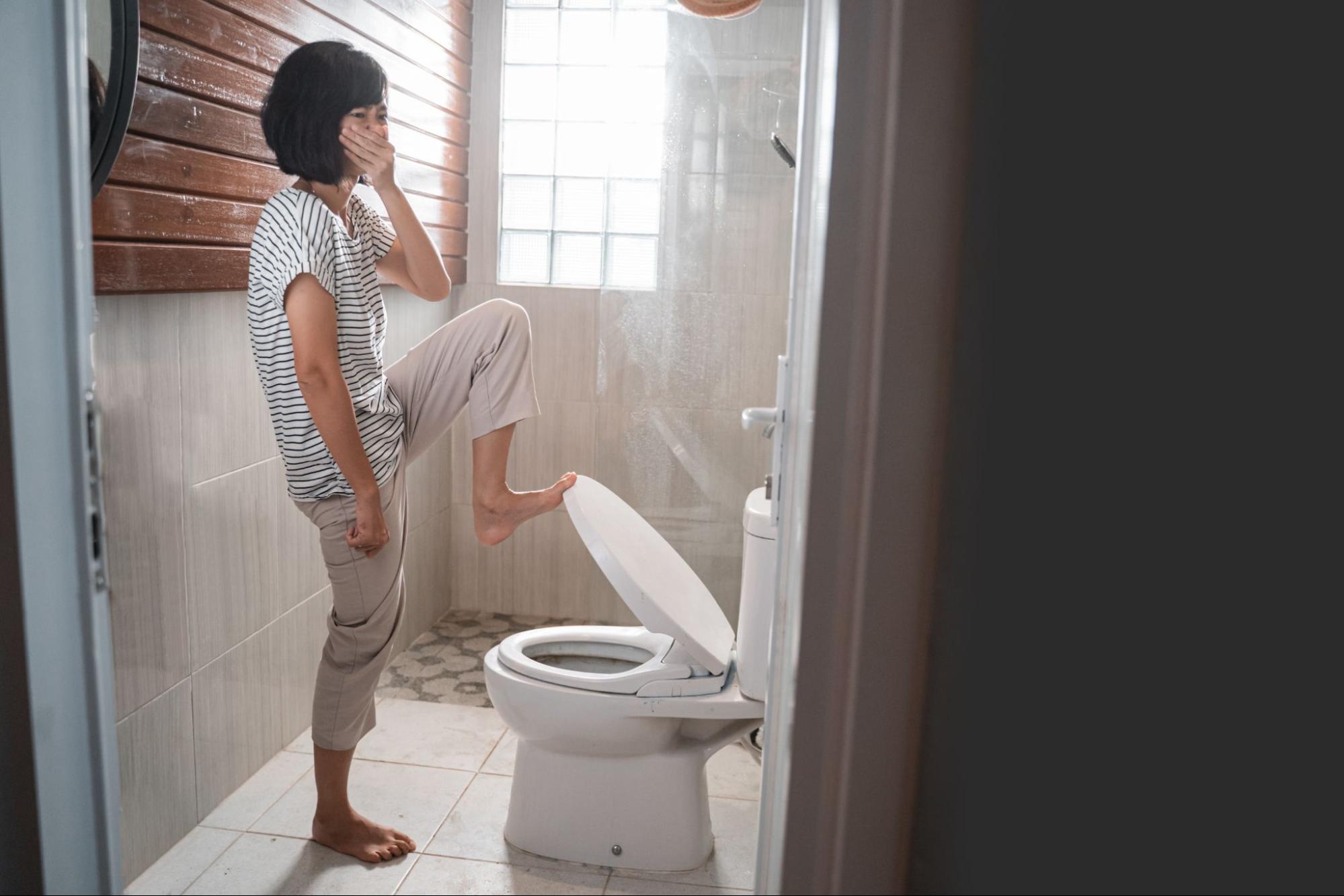
During an overload of the network, which happens during heavy rains or a rapid thaw, Sewage can go up into your basement through floor drains, toilets or sinks. The damage is often significant: insulation to be replaced, floors to be demolished, personal effects lost. A discreet device, therefore, but the absence of which can be very expensive.
Why is it mandatory in Quebec?
Protection against refoulement is a legal requirement under section 2.4.6.4 of the Quebec Construction Code, Chapter III — Plumbing, administered by the Régie du Bâtiment du Québec. All homes must be equipped with them.
Sewer backups Among the causes are more frequent home insurance claims in Quebec. Some municipalities have their own regulations that go beyond the provincial code. It's worth checking out what applies in your sector.
What devices need to be protected?
Any equipment located below the adjacent street level should be protected.. This generally covers floor drains in the basement, toilets and sinks in the basement, and washing machines located on the lower level.
If your house is relatively new, a flapper is probably already in place. If it dates from before the 1990s, it's definitely worth checking out.
How do you know if yours is working well?

What to do now
Start with Locate your flapper. It is usually located in the basement, on the main drain line, with a visible access hatch. If you don't know where to look, A plumber can spot it in a few minutes.
Then, schedule an annual maintenance. CAA-Quebec recommends cleaning at least once a year, ideally at the beginning of summer, to prevent debris from getting lodged in the mechanism.
Best practices to avoid problems
- Ne Never pour fats or oils in drains — they build up and can jam the valve
- Take a look at the access hatch once per season
- Keep the mechanism clear and accessible for future inspections
- Check with your municipality about local requirements, which may differ from the provincial code
A small device, real peace of mind
The check valve is nothing complicated, but its malfunction — or lack of it — can lead to costly damage. Knowing its role and ensuring that it is in good condition is a simple step to protect your home and stay in good standing.
If you are not sure about your situation, our team can assess your installation and guide you to the right decisions.
Contact us for more information or to make an appointment.
FAQ
Get a free quote