Electric or Gas Water Heater: Which Model is Right for Your Home
A water heater rarely fails at a convenient time. The problem is often discovered in the shower on a winter morning, or because a puddle has formed near the tank. You then have to make a quick decision, often without knowing all the available options.
This article compares the three main types of water heaters sold in Quebec: electric tank, natural gas tank, and tankless instant models. You'll find clear guidelines here to help you choose a water heater in Quebec based on your family, home, and budget.
Key takeaways
- The electric tank water heater remains the most common choice in Quebec thanks to advantageous electricity rates.
- The natural gas water heater is mainly justified if gas is already present in the house for heating or the stove.
- The tankless model provides continuous hot water, but its installation cost is often underestimated in existing homes.
- The tank capacity (40, 60, or 80 gallons) must match the number of people and the household's consumption habits.
- Incorrect sizing or non-compliant installation are the two most costly long-term mistakes.
The 3 Main Types of Water Heaters
The Electric Tank Water Heater
It's the most common model in Quebec homes. One or more electric heating elements warm the water, which then remains hot in an insulated tank, ready for use.
Natural Gas Tank Water Heater
The principle is similar, except that a natural gas burner replaces the electric heating elements. This type of appliance requires a gas connection to already be present in the home.
Tankless Water Heater (On-Demand)
Also known as an on-demand water heater, this appliance heats water as it flows through, without storing it. Depending on the model, it runs on electricity or natural gas.
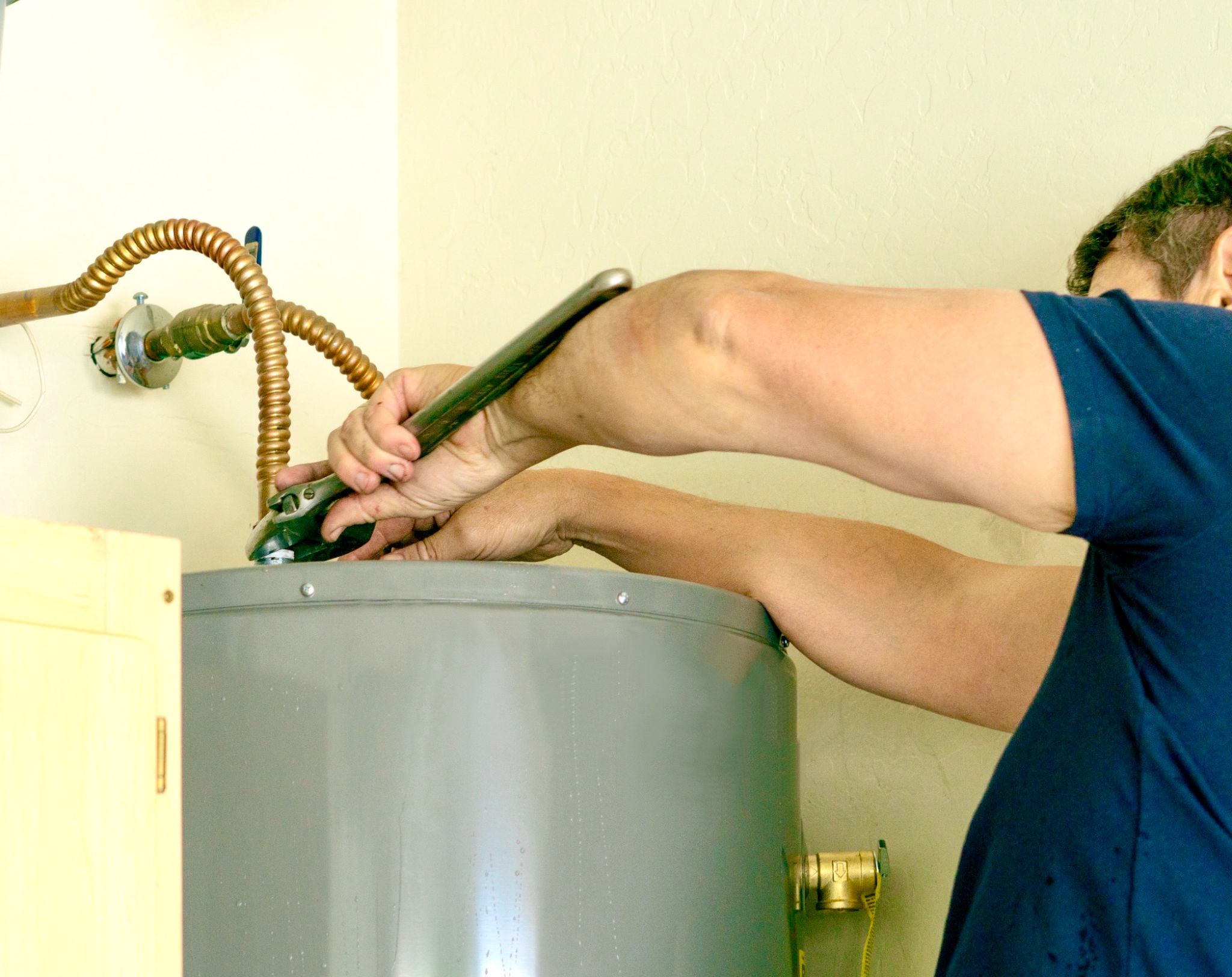
Comparison Table of the Three Options
While every situation is unique, this comparison water heater provides an initial guide before making a decision.
Electric Water Heater: An Advantageous Choice in Quebec
The main argument in favor of electric water heaters, is the price of electricity in Quebec, one of the lowest in North America. The basic residential rate from Hydro-Québec is approximately 7¢ per kWh for the first 15,000 kWh consumed annually. As a result: heating water with electricity costs significantly less here than in most other provinces or states.
Hydro-Québec also offers a rebate on the purchase of certain high-efficiency water heaters, including a $100 in-store rebate for an ECOPEAK technology model, designed to distribute water heating more evenly throughout the day.
The purchase cost generally remains lower than other options, and no gas connection is required, which simplifies installation in most homes. Maintenance also remains simple, with no combustion system or gas exhaust to monitor. Water heating accounts for about 20% of a household's electricity bill for a Quebec household, a share that remains manageable with a well-sized model.
This model is well suited for households that do not already have natural gas hookups, or who are looking for the simplest solution to install.
Natural Gas Water Heater: Is It Really Worth It?
Natural gas water heaters are not necessarily more economical than electric ones in Quebec, unlike what is observed elsewhere where electricity costs more. Its advantage is mainly seen in specific situations.
This model is worth considering if your home is already connected to natural gas for central heating or the stove. It may also appeal to households looking for better service continuity in the event of a power outage prolonged, as some gas models can continue to operate. Very high hot water consumption, such as in a large family home, a multi-unit dwelling, or a frequently occupied cottage, can also justify the faster recovery rate of certain gas models.
Conversely, adding a brand new gas connection solely for the water heater rarely proves to be a cost-effective choice, given the additional installation and connection costs. In such cases, the electric option generally remains simpler and more affordable.
Tankless Water Heater: Myth vs. Reality in Quebec
The tankless water heater has a reputation as a miracle solution : unlimited hot water, compact appliance, guaranteed savings. The reality is more nuanced for Quebec's climate and housing stock.
Myth: It costs less to operate for everyone.
Reality: Energy savings are real for occasional use, but a household with multiple simultaneous showers or a large bathtub may need two units, which reduces the benefit.
Myth: Installation is simple in an existing home.
Reality: the water enters very cold in winter in Quebec, so the unit must be powerful enough to heat it quickly. This often requires an electrical or gas upgrade, and therefore a higher installation cost.
Myth: It lasts forever.
Reality: Its lifespan exceeds that of a traditional tank, but the unit remains sensitive to water quality and requires regular maintenance to prevent scaling.
The tankless water heater remains an excellent choice for small dwellings, intermittently occupied cottages, or complete renovations where space is limited. It is less advantageous as a simple replacement for a tank in an existing home.
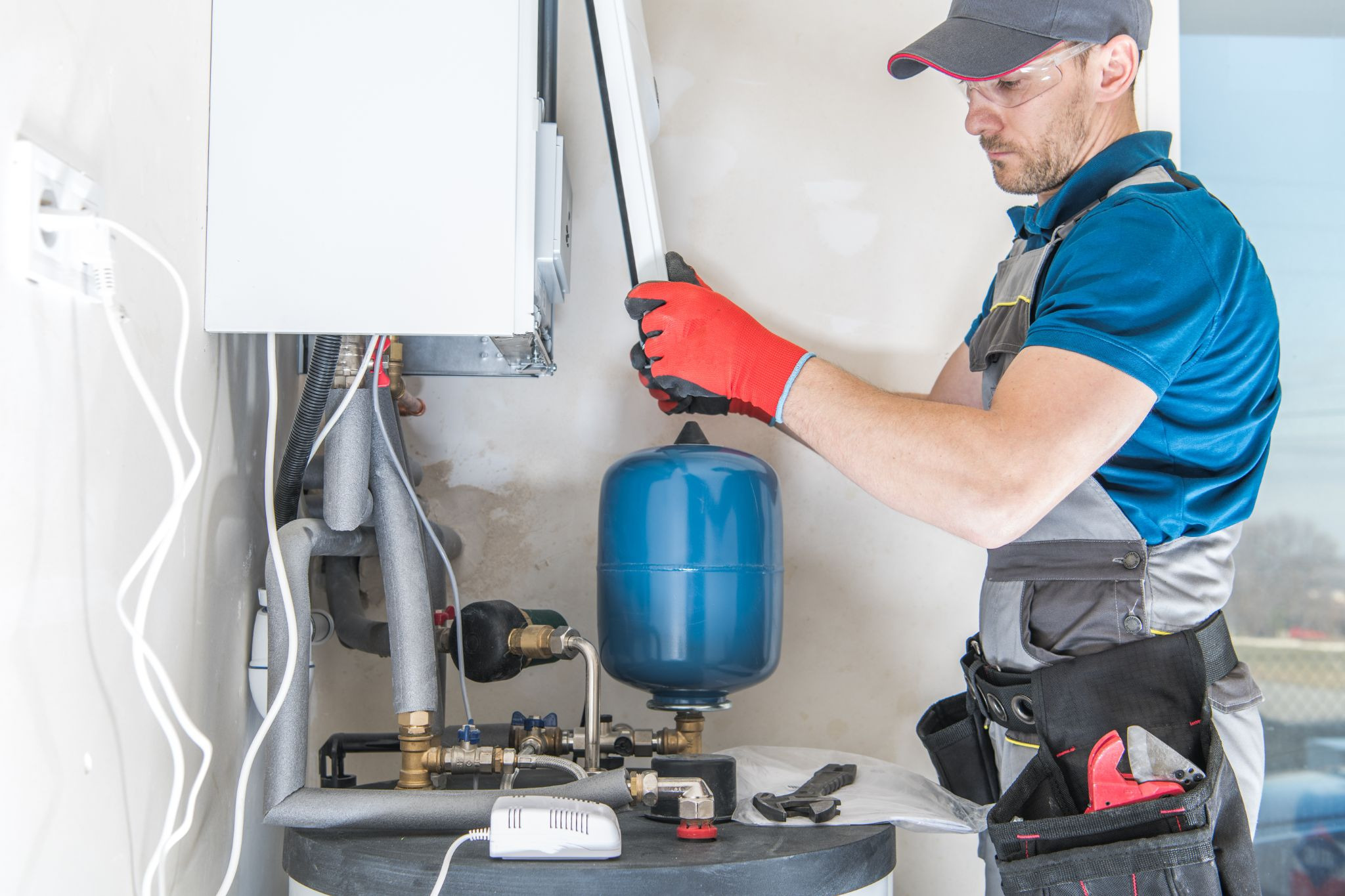
What capacity to choose based on your family size
Tank sizing is one of the most important decisions, and one of the most frequently misjudged.
A 40-gallon tank is suitable for a single person or a couple with moderate hot water consumption, such as in a condo or a small apartment. The 60-gallon remains the most common choice for a family of three to four people with normal use, including showers, dishwasher, and washing machine. The 80-gallon is recommended for large families, homes with multiple bathrooms used simultaneously, or residences with whirlpool tubs.
A tank that's too small leads to periods without hot water. Conversely, a tank that's too large wastes energy by constantly maintaining hot water.
Hydro-Québec Programs and Energy Savings
Beyond the purchase rebate mentioned above, Hydro-Québec offers several ways to reduce your water heating bill.
Voluntary participation in a winter peak management program allows Hydro-Québec to temporarily shut off water heaters during periods of high demand. In exchange, savings of up to $45 per year are possible, with no impact on comfort according to Hydro-Québec, since the tank already contains a large quantity of hot water. The Rénoclimat program, offered by the Quebec government, can also support energy-efficient renovation work, including, in some cases, the replacement of water heating equipment. Finally, setting your water heater thermostat to 60 °C rather than higher, reduces the bill without sacrificing comfort, according to advice published by Hydro-Québec.
While these measures don't replace choosing the right appliance from the start, they do help maximize savings once installed.
Typical Installation Costs by Appliance Type
Without getting into precise prices, which vary depending on your home's specific characteristics, here are the general trends:
Installing an electric tank is generally the simplest option, especially when directly replacing a similar unit. A natural gas tank requires a more complex installation if a gas connection or exhaust vent needs to be added or modified. An instantaneous model often incurs a higher installation cost when replacing a tank, due to the electrical or gas adjustments required to achieve the necessary power.
Installation costs also depend on the accessibility of the current appliance, the condition of existing plumbing, and the type of dwelling.
Recommendations Based on Your Profile
These recommendations are starting points. A professional can tailor the recommendation based on your home's actual configuration.
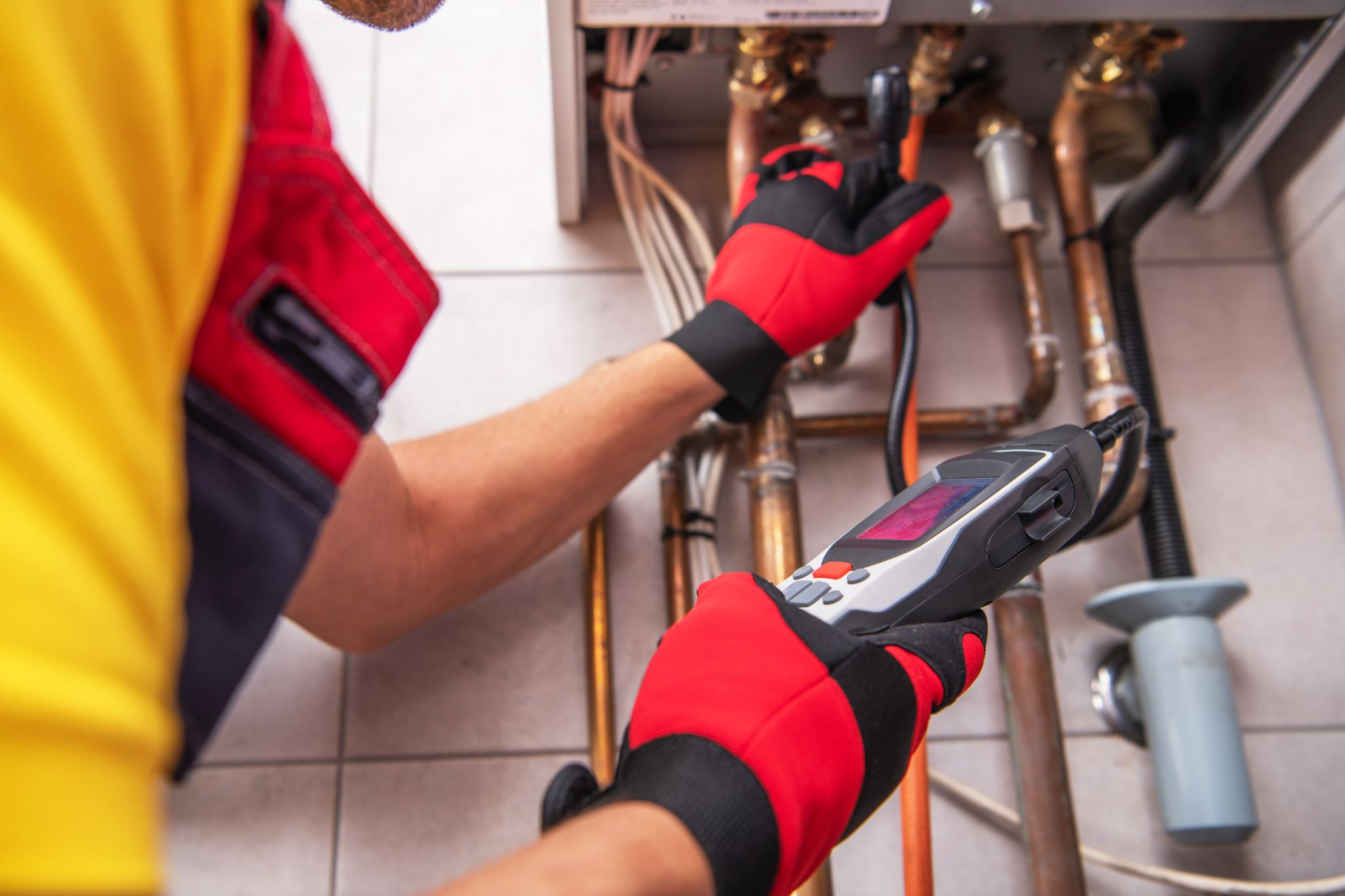
Common mistakes to avoid
- Choosing tank capacity based solely on price, without considering the number of occupants
- Installing a tankless water heater without checking if the current electrical or gas supply can provide the necessary power
- Neglecting annual maintenance, which reduces the lifespan of all types of water heaters, especially in hard water areas
- Delaying the replacement of an aging tank until it completely fails, which increases the risk of water damage
- Forgetting to check for available rebates or programs before purchasing
In short: make an informed choice
There isn't one "best" water heater for everyone. The electric tank remains the simplest and most economical choice for most Quebec households. Natural gas becomes relevant primarily if the infrastructure is already in place. The tankless model is well-suited for specific needs but requires careful evaluation before replacement.
The right choice depends on your home, your consumption habits, and your long-term budget, not just the initial purchase price.
If you're undecided between these options or would like an assessment tailored to your home, our team can help you understand your options and choose the best solution for your situation. Discover our water heater service.
Frequently asked questions
Get a free quote